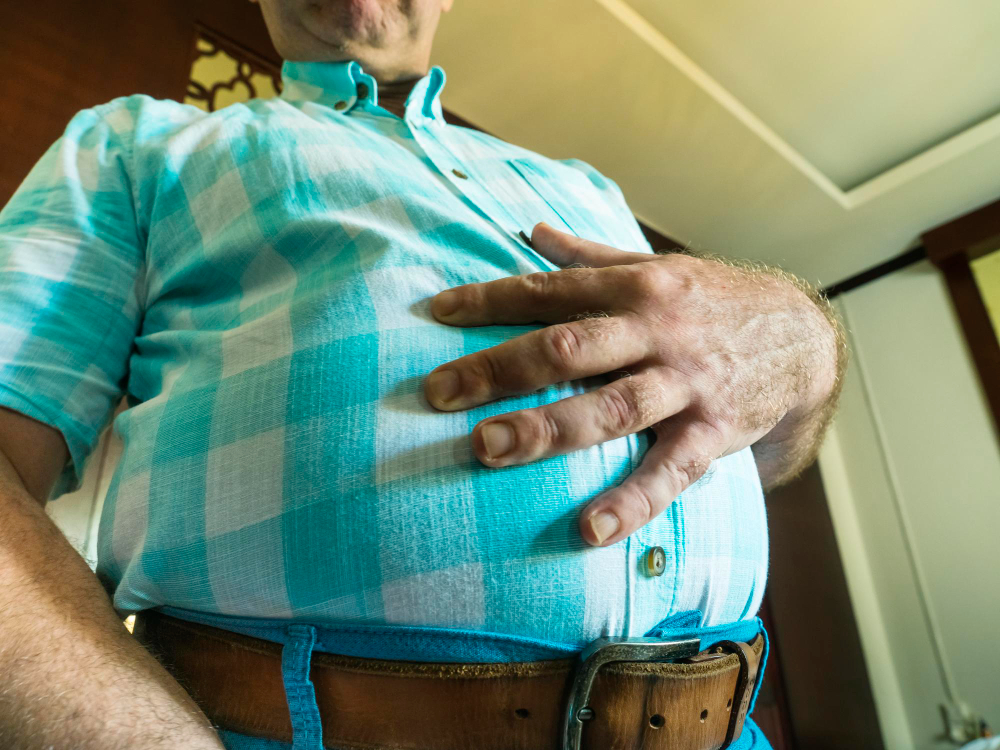
What is Obesity?
Obesity means having too much body fat. Doctors often use body mass index (BMI) to check this. If your BMI is 30 or higher, you are considered obese. Many people gain extra weight from eating more calories than they burn. However, lack of exercise and certain health problems can also play a role. Obesity is a growing problem worldwide, and it can lead to many health issues.
Understanding the Link Between Obesity and Cancer
Many studies show a strong link between obesity and cancer risk. In fact, the World Health Organization (WHO) and the Centers for Disease Control and Prevention (CDC) both warn that carrying extra weight can raise your chances of getting certain cancers. While not everyone with obesity will get cancer, the risk is higher compared to people with a healthy weight. Because of this, it is important to understand how obesity affects your body.
Common Types of Cancer Associated with Obesity
Obesity can increase the risk of several types of cancer. Some of the most common cancers linked to obesity include:
Notably, these cancers are more common in people with higher body fat. Still, keeping a healthy weight can lower your risk.
Symptoms and Warning Signs to Watch For
Obesity itself may not cause symptoms, but it can lead to warning signs if cancer develops. Therefore, it is important to watch for:
If you notice any of these signs, you should see a doctor. Early detection can make a big difference.
How Obesity Increases Cancer Risk
Obesity can affect your body in many ways. For example, extra fat can cause changes in your hormones. These changes may lead to higher levels of insulin and estrogen. Both can help cancer cells grow. In addition, fat tissue can cause long-term inflammation. This ongoing irritation can damage cells and raise cancer risk. According to the CDC, these effects make it easier for cancer to start and grow. Because of this, keeping a healthy weight is important for cancer prevention.
Prevention and Lifestyle Tips
There are simple steps you can take to lower your cancer risk. Here are some helpful tips:
Even small changes can make a big difference over time. In fact, losing just a little weight can help lower your risk.
When to Seek Medical Advice
If you are worried about your weight or cancer risk, talk to your doctor. They can help you set healthy goals and suggest safe ways to lose weight. Also, if you notice any warning signs or have a family history of cancer, do not wait to seek help. Early action can save lives.
In summary, obesity and cancer risk are closely linked. By making healthy choices, you can protect yourself and lower your risk. For advice that fits your needs, consult a healthcare professional at Doctors Plaza with Dr. Avneet.