
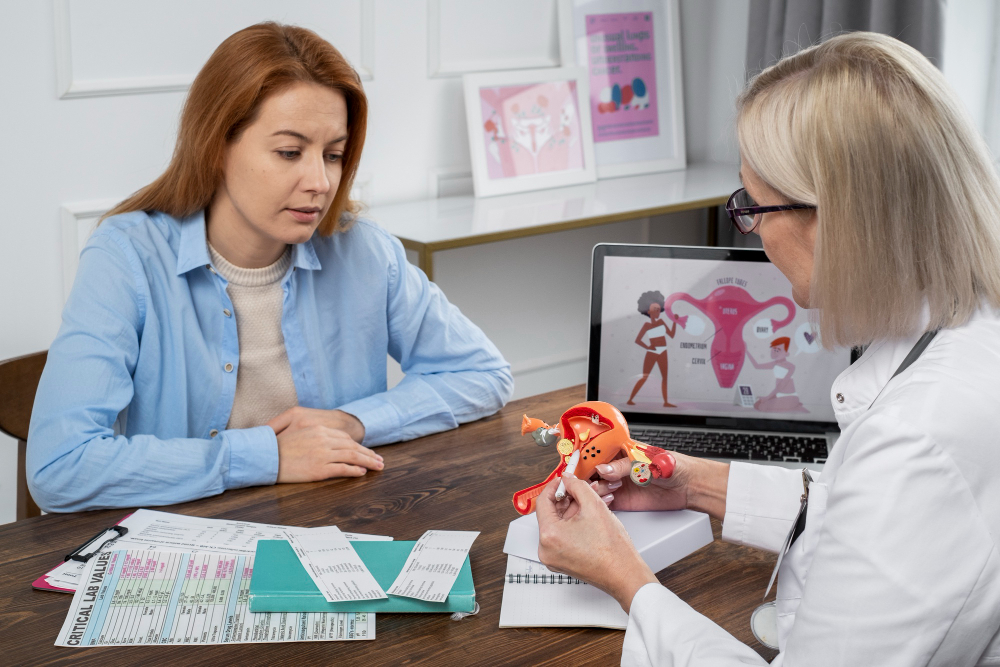
What is Fallopian Tube Cancer?
Fallopian Tube Cancer is a rare type of cancer that starts in the fallopian tubes. These tubes connect the ovaries to the uterus. Although it is uncommon, it is important to know about this disease. Many people do not realize that cancer can begin in this part of the body. For this reason, learning about Fallopian Tube Cancer can help with early detection and better outcomes.
Symptoms and Early Warning Signs
Often, Fallopian Tube Cancer does not cause symptoms in the early stages. However, some signs of fallopian tube cancer may appear as the disease grows. Early detection is key, so watch for these symptoms:
Because these symptoms can be caused by other conditions, it is important to talk to a doctor if they persist. Early warning signs are often mild, but do not ignore them.
Causes and Risk Factors
Doctors do not know the exact cause of Fallopian Tube Cancer. Still, some factors may increase your risk. Understanding these can help you stay aware:
While you cannot change some risk factors, knowing them can help you and your doctor make informed choices. For example, genetic counseling may be helpful for those with a strong family history.
Diagnosis and Staging
Diagnosing Fallopian Tube Cancer can be challenging. Because symptoms are often vague, doctors use several tests to find the cause. If you have signs of fallopian tube cancer, your doctor may recommend:
Once cancer is found, doctors use staging to see how far it has spread. Staging helps guide treatment options for fallopian tube cancer. The earlier the stage, the better the chances for successful treatment.
Treatment Options
Treatment for Fallopian Tube Cancer depends on the stage and your overall health. Most people need a combination of treatments. Common options include:
In some cases, targeted therapy or clinical trials may be available. Your doctor will discuss the best plan for you. Because each person is different, treatment options for fallopian tube cancer are tailored to your needs.
Prevention and Lifestyle Tips
While you cannot prevent all cases of Fallopian Tube Cancer, some steps may lower your risk. Consider these tips:
Although these steps do not guarantee prevention, they support your overall health. Early detection remains one of the best ways to improve outcomes.
When to See a Doctor
If you notice any unusual symptoms, such as abnormal bleeding or pelvic pain, do not wait. Instead, make an appointment with your healthcare provider. Early diagnosis can make a big difference. Even if your symptoms seem mild, it is better to be safe and get checked.
In summary, Fallopian Tube Cancer is rare but serious. Knowing the signs, causes, and treatment options can help you take charge of your health. Consult a healthcare specialist at Doctors Plaza with Dr. Avneet for personalized advice on Fallopian Tube Cancer.