
Introduction
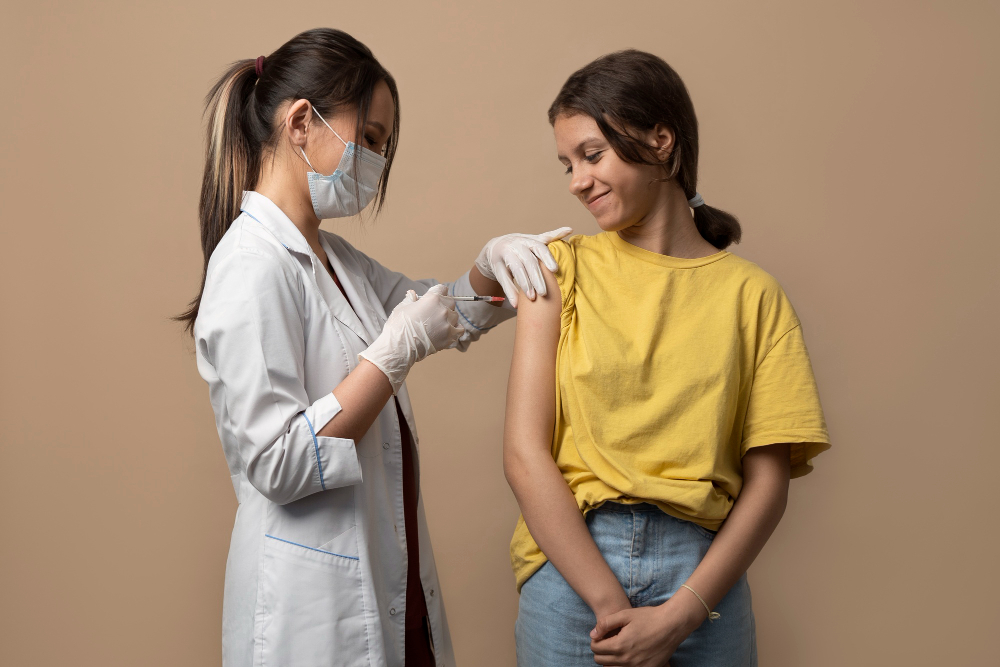
Cervical cancer is a serious disease, but you can prevent cervical cancer early with one simple step: vaccination. The HPV vaccine offers strong protection against the main cause of cervical cancer. Early prevention is important because it can save lives and reduce worry. Many health experts, including the World Health Organization (WHO) and the Centers for Disease Control and Prevention (CDC), recommend the HPV vaccine for lasting protection. In this blog, you will learn how one vaccine can help you and your loved ones stay safe from cervical cancer.
What is Cervical Cancer?
Cervical cancer starts in the cells of the cervix, which is the lower part of the uterus. Most cases are caused by the human papillomavirus (HPV), a common virus passed through skin-to-skin contact. Although many HPV infections go away on their own, some can lead to cancer over time. Early detection and prevention are key to stopping cervical cancer before it starts.
How Does the Vaccine Work?
The HPV vaccine helps your body build protection against the virus that causes most cervical cancers. After getting the vaccine, your immune system learns to fight off HPV. Because of this, the vaccine can stop the virus before it causes harm. Most importantly, the vaccine works best when given before any exposure to HPV.
Who Should Get the Vaccine and When?
Health experts recommend the HPV vaccine for:
For best results, early vaccination for cervical cancer is important. The vaccine is most effective before any contact with HPV.
Benefits of Early Vaccination
Getting the HPV vaccine early offers many benefits. For example:
In addition, early vaccination for cervical cancer helps protect the whole community by reducing the spread of HPV.
Common Myths and Facts
Safety and Side Effects
Many people ask, “Is the HPV vaccine safe?” The answer is yes. The HPV vaccine has been tested in many countries and is approved by health authorities like the CDC and WHO. Most side effects are mild and go away quickly. These can include:
Serious side effects are very rare. However, if you have concerns, always talk to your doctor.
Steps to Get Vaccinated
Remember, early vaccination for cervical cancer offers the best protection.
Prevention Tips Beyond Vaccination
While the HPV vaccine is a powerful tool, you can take other steps to lower your risk:
By combining these steps with vaccination, you can help prevent cervical cancer early and stay healthy.
Conclusion
One HPV vaccine can offer lifetime protection and significantly reduce the risk of cervical cancer. It is safe, effective, and strongly recommended by medical experts for long-term women’s health.
Don’t wait—early protection matters. Consult Dr. Avneet to find out whether the cervical cancer (HPV) vaccine is right for you or your loved ones and get personalised guidance for prevention.